Source Screen Printed Ketchup Glass Bottle for Food, Beverage, Medicine
Compare 30 screen printed ketchup glass bottle options from verified Chinese manufacturers. These round glass containers feature screw caps and paper labels, suitable for food storage, beverages, and cosmetic packaging applications; compare the available evidence and request quotations based on your requirements.
Key considerations
Products List


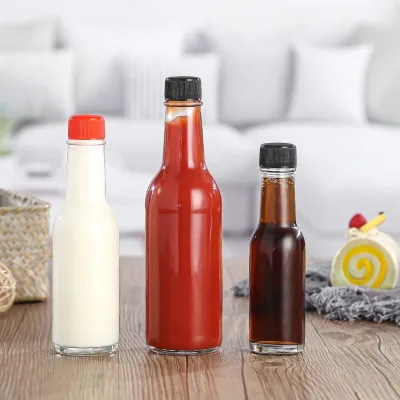


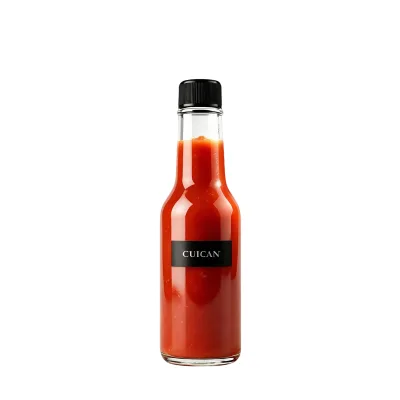


Comprehensive Sourcing Guide
Screen Printed Ketchup Glass Bottle Sourcing Guide
Buyers evaluating screen printed ketchup glass bottles must first distinguish between general food storage containers and specialized packaging designed for viscous condiments. The observed product range includes specific models like the JXF series and CLV brand items, which feature round shapes and capacities ranging from 165ml to 670ml. These units are explicitly designed for food applications, with some listings noting suitability for medicine and cosmetics, indicating a versatile glass formulation that meets multiple industry standards.
Procurement decisions should prioritize the specific sealing and closure mechanisms required for ketchup distribution. The available inventory features rubber stoppers, twist-off caps, and screw caps, each offering distinct advantages for viscosity retention and user experience. Selecting the correct closure type is critical, as the sealing mechanism directly impacts the shelf life of the product and the ease of dispensing thick sauces in both commercial and retail environments.
Product Scope and Observed Listing Signals
The market signals indicate a strong presence of glass bottles with paper labels and normal carton packaging, often shipped with inner plastic bottles for added protection. Listings frequently specify a "Hot Break" processing method, which suggests a manufacturing approach optimized for the thermal stability required during the filling of hot sauces or ketchups. This processing detail is a key differentiator, ensuring the glass can withstand temperature fluctuations during the filling and pasteurization stages without compromising structural integrity.
Buyers should note the variation in color options, with clear and amber glass being the primary choices observed in the current listings. Amber glass is particularly relevant for protecting light-sensitive contents, while clear glass offers visibility for branding and product appeal. The presence of recycled material attributes in some listings suggests an opportunity to align procurement with sustainability goals, provided the specific batch quality meets the buyer's internal standards for food-grade safety.
Technical Specifications to Verify
Verification of the bottle model number and capacity is essential to ensure compatibility with existing filling lines and packaging machinery. The observed models, such as JXF6601 and CLV-J021, correspond to specific volumes like 660ml and 165ml, which must match the target product volume precisely. Buyers must confirm that the single package size and gross weight align with their logistics planning, as variations in dimensions can significantly impact palletization efficiency and shipping costs.
The surface handling and printing capabilities require careful assessment to ensure the screen printing process delivers the desired branding quality. Listings confirm that silk screen printing is available, allowing for durable logos and instructions directly on the glass surface. However, buyers must verify the ink adhesion and resistance to abrasion, especially since ketchup bottles often undergo rigorous handling during distribution and consumer use, requiring a print finish that remains legible and intact throughout the product lifecycle.
Compliance and Safety Documentation
Ensuring that the glass bottles meet international food safety certifications is a non-negotiable step in the sourcing process. The observed product attributes include HACCP, FDA, ISO, and BRC certifications, which provide a baseline assurance that the manufacturing facility adheres to rigorous hygiene and safety protocols. Buyers should request current certification documents for each specific batch to confirm that the glass composition and production environment remain compliant with the regulations of their target export markets.
Beyond general certifications, the specific usage claims for food, medicine, and cosmetics necessitate verification of the glass's chemical inertness and leaching properties. The listed usage categories imply that the glass is suitable for direct contact with acidic and oily food products, but buyers must validate that the specific glass formulation does not interact with the ketchup ingredients over time. This verification protects the brand from potential contamination issues and ensures the product remains safe for consumer consumption throughout its intended shelf life.
Cost Drivers and Commercial Terms
The observed price range of 0.01 to 15 USD per unit highlights the significant impact of volume and customization on the final cost. Buyers must understand that the minimum order quantity (MOQ) can vary drastically, ranging from 10,000 pieces for standard models to much higher thresholds for custom configurations. Understanding these volume tiers is crucial for budgeting, as the unit cost often decreases substantially as the order quantity increases, making large-scale procurement more economically viable for established brands.
Customization availability is a primary cost driver that buyers must factor into their total landed cost calculations. The ability to add paper labels, specific screen printing, or custom packaging configurations like pallets versus cartons adds complexity to the production process. Buyers should negotiate clearly on the costs associated with these value-added services, ensuring that the final price reflects the specific requirements of their branding and logistics strategy without hidden fees for standard processing steps.
Supplier Qualification and Quality Control
Supplier qualification should focus on verifying the origin and production capabilities of the manufacturer, with Jiangsu, China, being a confirmed point of origin for the observed listings. Buyers must assess the supplier's capacity to maintain consistent quality across large production runs, particularly given the high MOQs often required for glass manufacturing. A robust quality control system is essential to minimize breakage rates and ensure that every bottle meets the specified dimensions and sealing standards before shipment.
Quality control protocols must extend to the inspection of the sealing types and the integrity of the glass itself. Since the products utilize rubber stoppers, twist-off caps, and screw caps, the supplier must demonstrate a rigorous testing process for closure functionality and leak prevention. Buyers should request sample batches for independent testing to verify that the sealing mechanisms perform correctly under simulated storage and transport conditions, ensuring that the final product arrives in perfect condition.
Long-Term Procurement Checks
Establishing a long-term partnership requires regular audits of the supplier's adherence to the agreed-upon standards and certifications. Buyers should implement a schedule for periodic re-verification of HACCP, FDA, and ISO compliance to ensure that the supplier's quality management systems have not degraded over time. This proactive approach helps mitigate the risk of supply chain disruptions caused by regulatory non-compliance or sudden changes in manufacturing practices.
Continuous monitoring of the product specifications is vital to maintain consistency in the final packaged goods. Buyers must track any changes in the glass color, bottle shape, or printing quality to ensure they align with the original product design and brand identity. Regular communication with the supplier regarding production updates and potential material changes will help maintain the integrity of the supply chain and ensure that the screen-printed ketchup bottles continue to meet the evolving needs of the market.
FAQs
What sealing options are available for screen printed ketchup glass bottles?
The listed bottles use screw caps, twist-off lids, or rubber stoppers depending on the model. Screw caps suit ketchup and other sauces that need repeated opening, while twist-off closures fit hot-fill production lines. Confirm the sealing type with the supplier when requesting quotes, since closure choice affects filling equipment, tamper evidence, and packaging requirements for each bottle size.
Can the bottles be customized with silk screen printing for my brand?
Yes, customization is available, and screen printing is the listed surface handling method. You can supply artwork for logos, ingredient panels, or brand colors on clear or amber glass. Typical practice is to provide vector artwork and confirm print area per bottle shape. Suppliers usually require a minimum order quantity before setting up a dedicated print run for your design.
Which bottle capacities are offered for tomato ketchup packaging?
The listed range includes 165ml, 320ml, 340ml, 350ml, 660ml, and 670ml glass bottles, plus a 1020g three-piece carton standard for finished sauce. Smaller sizes work for single-serve foodservice portions, while 660ml and 670ml suit retail family packs. Match the capacity to your filling line and target market before confirming quantities with the factory.
What is the minimum order quantity for these glass bottles?
A listed model shows an MOQ of 10000 pieces, though other items in the range may differ. MOQ varies with bottle size, printing complexity, and packaging format, so confirm the figure for your chosen model before ordering. Larger volumes often improve unit pricing, but ask the supplier to quote your exact quantity and decoration requirements first.
How are the bottles packed for shipping?
Listed packing methods include an inner plastic bottle with an outside carton, pallets, or paper cartons, with a normal carton option also noted. A reference standard shows 1020g bottles packed three pieces per carton. Palletized packing reduces breakage risk for container shipments, so confirm carton count, dividers, and pallet configuration with the factory when requesting a shipping quotation.
What certifications do the listed ketchup glass bottle products carry?
The product range lists HACCP, FDA, ISO, and BRC certifications. These matter for food-contact packaging destined for regulated markets, since buyers often require documented compliance for glass and closures. Always request current certificates directly from the supplier for the specific model you intend to purchase, and verify scope, expiry dates, and whether the certification covers the printing process as well.
Can these glass bottles be used beyond ketchup and sauces?
Yes, listed usage spans food, beverages, medicine, cosmetics, and chemical products. Amber models suit light-sensitive contents, while clear glass works well for sauces and condiments where product visibility helps sales. Recycled glass is also noted as an attribute. Confirm food-contact suitability and closure compatibility with the supplier for any application other than ketchup before placing a production order.
Where are these screen printed ketchup bottles produced?
The listed products originate in China, with one model specifically noting Jiangsu as the place of origin. Sourcing from this region gives access to established glass packaging supply chains and customization services. When comparing candidates, check factory location, export experience, and shipping ports, since these influence lead time and freight cost for your destination market.